

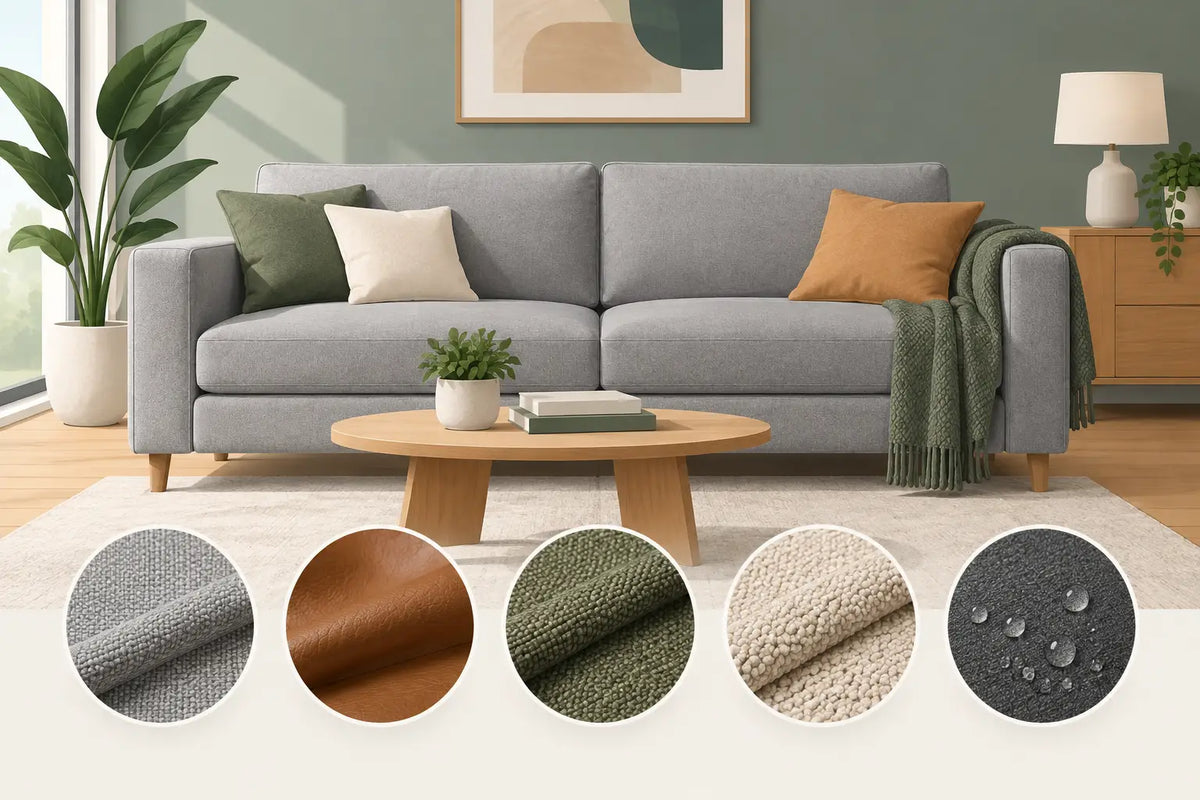
A sofa earns its place in your home one ordinary day at a time: coffee on a slow Sunday, a laptop work session, friends staying late, a pet claiming the corner cushion. That is why choosing durable sofa materials is less about finding the toughest-looking option and more about matching the material to the way you actually live.
For a small apartment, a guest-ready living room, or a home that changes with every season of life, the best sofa material should feel good now and stay easy to live with later. Fabric texture, weave, color, cleanability, and cover design all affect how well your sofa holds up.
What Makes a Sofa Material Durable?
Durability is not one feature. It is the combination of how a material handles friction, fading, spills, stretching, and repeated cleaning. A fabric can be highly resistant to abrasion but still show pet hair. Leather can age beautifully but may not be the easiest choice for homes with sharp claws. A light color can work in a busy household when the cover is removable and washable.
Start with the real demands on your sofa. If it will double as a bed for guests, the surface should stay comfortable after extended lounging and sleeping. If you have children or pets, stain resistance and easy maintenance may matter more than a delicate, tailored texture. If your space gets direct sun, colorfastness deserves more attention than it does in a shaded room.
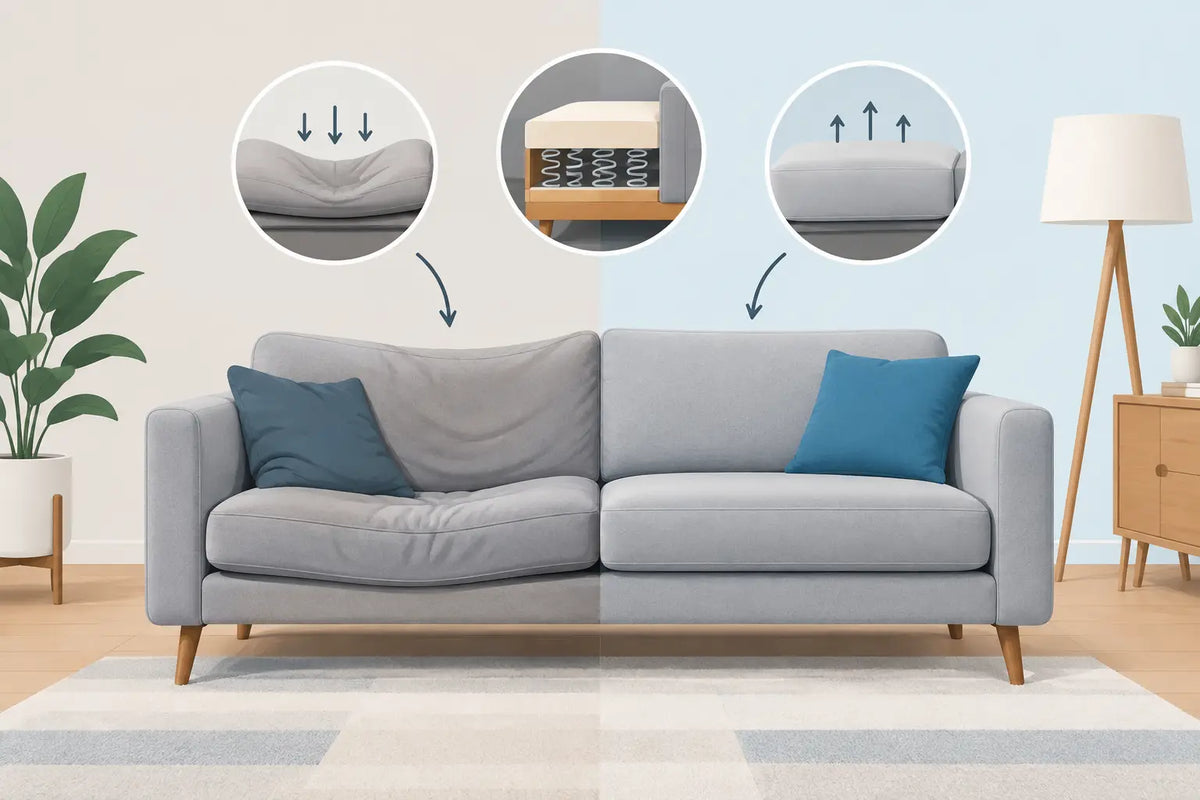
The construction beneath the upholstery matters, too. Supportive foam that keeps its shape and a cover that fits securely help a sofa look considered rather than tired over time. Material durability works best when the whole design is built for daily use.
Durable Sofa Materials Compared
Performance fabric: the practical all-rounder
Performance fabric is often the best starting point for an active home. It is designed to stand up to regular use, with many options offering resistance to stains, moisture, fading, or abrasion. It is also available in a wide range of colors and textures, from soft woven neutrals to more structured finishes.
This versatility makes performance fabric especially useful for sofa beds and modular sofas. You can choose a polished look without treating the living room like a no-food zone. For renters, families, and frequent hosts, it offers an easy balance of comfort, style, and day-to-day forgiveness.
The trade-off is that not all performance fabrics feel the same. Some have a smoother, more technical hand, while others feel more like a traditional upholstery weave. Order fabric samples whenever possible. See the color in your own light, feel the texture, and place it next to the flooring, walls, and materials already in your space.
Tightly woven polyester and polyester blends
Polyester is a common choice in durable upholstery for good reason. It is strong, holds color well, and can resist wrinkles and stretching. When used in a tight weave or blended with other fibers, it can provide a soft, approachable surface that handles everyday seating well.
For homes where the sofa gets constant use, look beyond the fiber name and focus on the weave. A dense weave generally makes it harder for dirt to settle into the surface and helps the fabric resist snagging. Textured polyester can also be smart for hiding minor marks between cleanings.
One consideration: polyester can sometimes hold onto oil-based stains if spills are left untreated. A quick response is still the best care strategy. Blot rather than rub, use the care instructions for your specific cover, and avoid assuming that every fabric can be cleaned with the same product.
Olefin and acrylic: strong choices for sun and spills
Olefin and acrylic fabrics are valued for their resistance to moisture and fading. They are often associated with outdoor furniture, but upholstery versions can be useful indoors, too, particularly in bright rooms or homes where accidental spills are part of the routine.
Olefin is naturally resistant to moisture and many stains, while acrylic is known for retaining color in sunlight. Both can be practical choices for a casual, high-use setting. Their main trade-off is feel. Depending on the fabric construction, they may not have the same plush, natural softness as certain cotton-rich or linen-look options.
Microfiber: soft, dense, and pet-friendly for many homes
Microfiber usually has a smooth, suede-like feel created by very fine synthetic fibers. Its dense construction can make it resistant to everyday wear, and it is often easier to clean than more open weaves. Many households appreciate that pet hair tends to sit on the surface instead of weaving deeply into it.
It is a comfortable material for movie nights and guest sleepovers, but it has a distinct appearance that is not right for every interior. If you prefer crisp European-inspired tailoring or a visible woven texture, a performance weave may better suit your vision.
Leather: long-lasting with a different kind of maintenance
Quality leather can last for years and develop character with use. It does not trap dust or pet hair like fabric, and a quick wipe can handle many everyday messes. For a streamlined, architectural space, leather has an undeniable presence.
Still, leather is not automatically the most carefree option. It can scratch, show wear patterns, react to heat and direct sunlight, and require periodic conditioning. Full-grain leather will show its natural markings and age over time, which some people love. If you want a sofa to look nearly identical year after year, a high-quality performance fabric may feel more predictable.
Why Removable Covers Change the Equation
A durable upholstery fabric is useful. A durable fabric with a removable, washable cover gives you much more control.
Instead of treating a spill as a permanent event, you can remove the cover according to its care instructions and refresh the sofa when needed. This is especially valuable for sofa beds, where the piece may work harder than a standard couch. It seats guests, supports late-night conversations, and becomes a place to sleep when friends or family stay over.
Removable covers also give you flexibility beyond cleaning. If your style changes, a new cover can update the room without replacing the entire sofa. A warm oatmeal fabric may suit one apartment; a deep green or charcoal may feel right in the next. Your sofa can move with your life rather than lock you into a single look.
For Seesofa's FLOW and FLOWY models, this is part of the appeal: comfort and adaptability can live in the same piece. You can build around your space, choose a fabric that fits your routine, and keep care manageable.
How to Choose the Right Material for Your Home
Think about your most demanding use case, not your idealized one. A cream, textured fabric can be a beautiful choice for a quiet home with careful use. In a household with a large dog, frequent guests, and a habit of eating dinner on the sofa, a mid-tone performance fabric with a washable cover may be the better design decision.
Color is part of durability, too. Medium tones, heathered weaves, and fabrics with subtle visual variation often hide daily life better than solid white or very dark fabrics. That does not mean avoiding lighter colors altogether. It means choosing them intentionally, with cleanability and your actual routines in mind.
Before deciding, evaluate samples in daylight and at night. Run your hand across the fabric. Notice whether it catches on jewelry, whether pet hair is easy to see, and how the color changes against your walls. A sofa is a major visual surface in a room, so the right material should support both your lifestyle and your design direction.
Simple Care That Helps Sofas Last
Even the best materials benefit from a few low-effort habits. Vacuum upholstery regularly using a soft brush attachment to remove dust and crumbs before they work into the fabric. Rotate loose cushions when your sofa design allows it, so one favorite seat does not take all the pressure. Keep the sofa out of prolonged direct sunlight when possible, especially if you choose a rich or dark color.
For spills, act quickly. Blot with a clean, absorbent cloth, working from the outside of the spill toward the center. Avoid aggressive rubbing, which can spread the stain or change the fabric texture. Then follow the care guidance for that specific upholstery or removable cover.
A sofa should support real living, not create more rules for it. Choose a material you will feel comfortable using, caring for, and enjoying every day - then make the rest of the room your own.
Seesofa in numbers
- All-foam sofa beds, chairs and corner sofas made in Europe
- Polyurethane foam T3045 (not memory foam)
- Removable, washable covers with zips
- Flow in GROSSO corduroy (28 colours), Flowy in AMIGO fabric (23 colours)


Leave a comment
This site is protected by hCaptcha and the hCaptcha Privacy Policy and Terms of Service apply.